
Simple Ways to Support Gut Health Through Your Diet

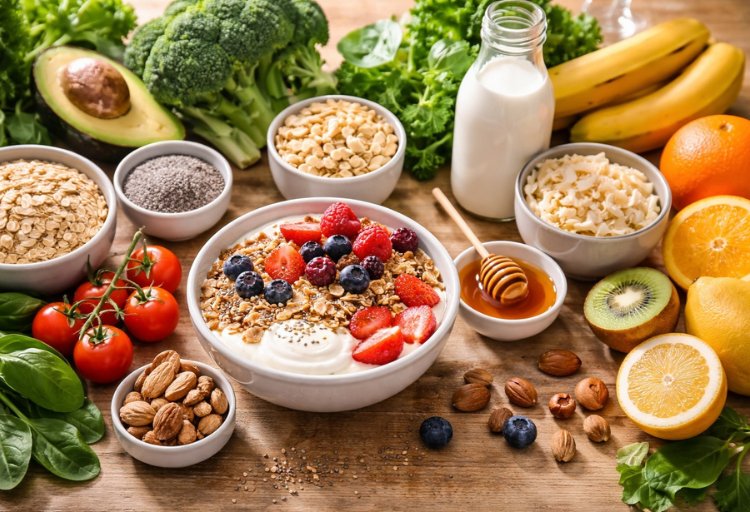
Digestive health has become one of the most talked-about topics in modern nutrition. From fermented foods to high-fiber diets, more people are paying attention to how everyday eating habits influence the gut microbiome.
The gut microbiome refers to the trillions of microorganisms that live in the digestive tract. According to the World Health Organization, maintaining a balanced diet plays an important role in supporting overall digestive and immune health. Scientists increasingly believe that the diversity of microbes in the gut can influence how the body processes nutrients and responds to environmental stress.
The encouraging news is that supporting gut health does not necessarily require complicated routines. In many cases, simple dietary habits can help maintain a healthier microbial balance.
Eat More Fiber-Rich Foods
One of the most effective ways to support gut health is by increasing dietary fiber. Fiber acts as fuel for beneficial gut bacteria, allowing them to grow and thrive.
Foods naturally rich in fiber include:
- Vegetables such as broccoli, spinach, and carrots
- Legumes like lentils, chickpeas, and beans
- Whole grains including oats and brown rice
- Fruits such as apples, berries, and bananas
These foods contain compounds often referred to as prebiotics, which help nourish beneficial bacteria already living in the digestive system.
Health experts often emphasize the importance of dietary diversity. Eating a wide range of plant-based foods helps support a more varied microbiome, which is commonly associated with better digestive resilience.
Include Fermented Foods in Your Routine
Fermented foods are another valuable addition to a gut-friendly diet. These foods are produced through fermentation processes that involve beneficial bacteria.
Some commonly consumed fermented foods include:
- Yogurt with live cultures
- Kefir
- Kimchi
- Sauerkraut
- Kombucha
Because they naturally contain microbes created during fermentation, these foods can introduce additional bacteria into the digestive system.
Yogurt remains one of the most widely consumed fermented foods in Australia and New Zealand. Many brands now highlight probiotic cultures on their packaging, reflecting the growing interest in gut health.
However, the number and type of beneficial bacteria can vary between products depending on processing methods and storage conditions.
Focus on Overall Diet Quality
Gut health is influenced by long-term eating patterns rather than any single ingredient. Highly processed diets that are low in fiber may gradually reduce microbial diversity, while diets rich in whole foods tend to support a more balanced gut environment.
Other lifestyle factors such as stress, sleep, and physical activity can also influence digestive health.
For this reason, many nutrition professionals recommend focusing on balanced meals that include vegetables, whole grains, and fermented foods whenever possible.
When Probiotics May Offer Additional Support
While diet plays a major role in maintaining gut health, some people choose to explore probiotics as part of their wellness routine.
Probiotics are defined by the World Health Organization as live microorganisms that may provide health benefits when consumed in adequate amounts. Unlike fermented foods, probiotic products often identify specific bacterial strains and provide them in measured quantities.
For individuals interested in learning more about how probiotics may complement a balanced diet, resources discussing probiotic supplements for gut health can offer additional insight into the different strains and formulations available.
As with most aspects of nutrition, probiotics tend to work best alongside healthy dietary habits rather than replacing them.
The Bottom Line
Interest in gut health continues to grow as researchers learn more about the complex relationship between diet, microbes, and overall well-being.
Fortunately, supporting digestive health does not have to be complicated. Eating more fiber-rich foods, incorporating fermented products, and maintaining balanced eating habits can all help create an environment where beneficial gut bacteria thrive.
For some individuals, probiotics may also play a supporting role. Ultimately, the goal is not to rely on a single food or supplement, but to maintain everyday habits that help the gut microbiome stay diverse and resilient.
Share
What's Your Reaction?
 Like
0
Like
0
 Dislike
0
Dislike
0
 Love
0
Love
0
 Funny
0
Funny
0
 Angry
0
Angry
0
 Sad
0
Sad
0
 Wow
0
Wow
0