
Ford Barra Engine: Australia’s Inline-Six Icon That Earned Global Respect
The Ford Barra engine is a 4.0-litre inline-six petrol engine developed by Ford Australia and produced from 2002 until 2016.

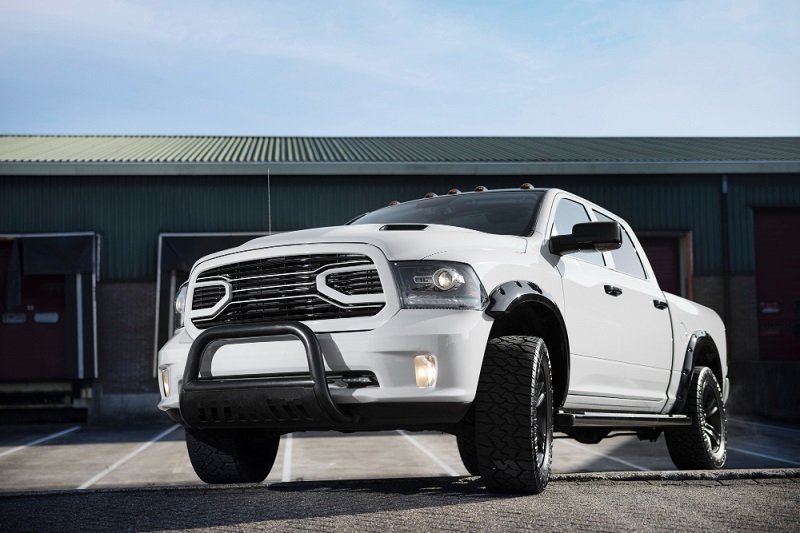
Few engines have earned a reputation as formidable as the Ford Barra engine. Born in Australia and engineered for practicality, durability, and performance, the Barra surprised the global automotive community by becoming one of the most powerful and reliable inline-six engines ever produced. What began as a powerplant for family sedans quickly evolved into a legend capable of competing with—and often surpassing—far more exotic engines.
The Barra engine’s story is not one of flashy innovation or motorsport heritage from the outset. Instead, it is a story of overengineering, real-world durability, and immense untapped potential. Today, the Barra is celebrated by tuners, racers, and engine swap enthusiasts worldwide. This article explores the design, evolution, performance, and lasting legacy of the Ford Barra engine in detail.
What Is the Ford Barra Engine?
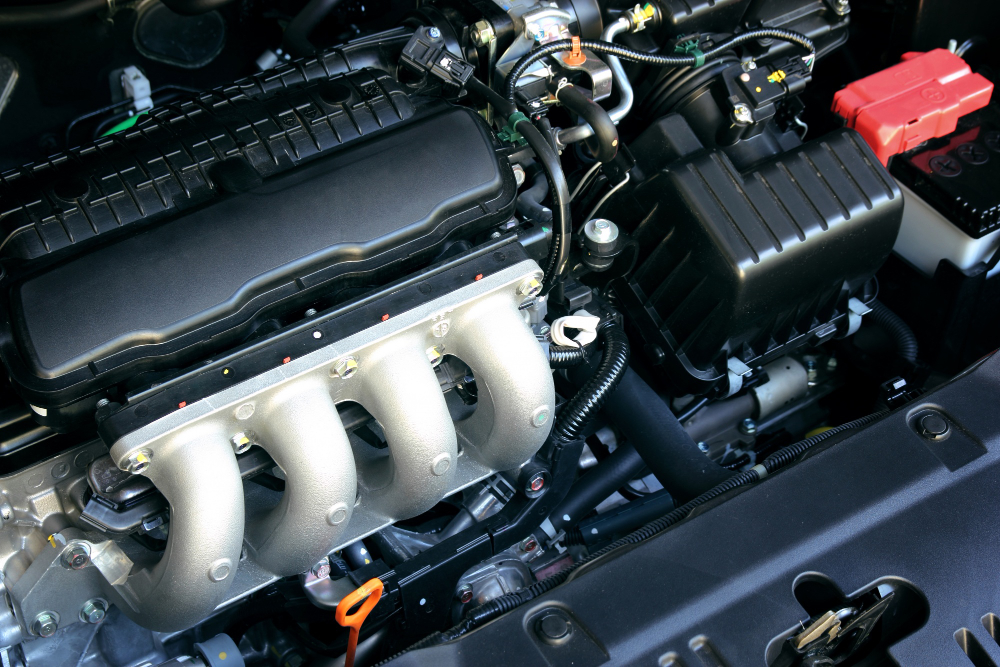
The Ford Barra engine is a 4.0-litre inline-six petrol engine developed by Ford Australia and produced from 2002 until 2016. It was primarily used in the Ford Falcon range and later performance-focused models such as the XR6 Turbo and F6 Typhoon.
At its core, the Barra was designed to deliver smooth power, strong torque, and long-term reliability. However, what truly set it apart was how much extra strength Ford engineered into it. This decision, originally made to ensure durability under harsh Australian conditions, would later allow the engine to handle extreme power levels far beyond its factory output.
The Origins of the Ford Barra Engine:
The Barra engine was developed as a modern replacement for Ford Australia’s earlier inline-six engines. While those engines were respected for their simplicity and torque, they were no longer sufficient to meet evolving emissions regulations and customer expectations.
Ford Australia needed an engine that could deliver refinement for everyday driving while also offering strong performance. The result was a modern DOHC inline-six that retained the traditional strength of previous designs but introduced better airflow, improved efficiency, and compatibility with turbocharging.
The name “Barra” was inspired by the Barramundi fish, reflecting both strength and Australian identity. Over time, the engine would come to symbolize the peak of locally developed automotive engineering.
Barra Engine Design and Engineering:
A Block Built for Abuse:
One of the defining characteristics of the Ford Barra engine is its cast iron block. While heavier than aluminium alternatives, this block provides exceptional rigidity and resistance to distortion under high boost pressures. This single design choice is largely responsible for the engine’s legendary strength.
The block’s ability to tolerate extreme cylinder pressures has allowed countless builders to push the Barra far beyond its original design limits without catastrophic failure. Even today, many high-horsepower builds still rely on factory blocks.
Cylinder Head and Valvetrain:
Paired with the iron block is an aluminium dual overhead cam cylinder head with four valves per cylinder. This design promotes efficient airflow and strong combustion characteristics. Later versions of the Barra also featured variable cam timing, improving torque delivery at low RPM while maintaining strong top-end performance.
The head’s flow capability plays a major role in the engine’s success, especially when combined with forced induction.
Naturally Aspirated Barra Engines:
The naturally aspirated versions of the Ford Barra engine powered the majority of Ford Falcons sold during its production run. These engines were known for their smoothness, linear power delivery, and impressive longevity.
Although they were never intended as performance engines, naturally aspirated Barra motors delivered strong torque and proved highly reliable for daily driving. Their durability made them popular candidates for turbo conversions, as the core architecture remained extremely strong.
The Barra Turbo: Where the Legend Began:
The Barra Turbo is the variant that cemented the engine’s legendary status. When Ford introduced turbocharging to the Barra platform, it transformed the Falcon from a comfortable sedan into a serious performance machine.
Factory turbocharged models produced power figures that rivalled V8s while delivering superior drivability and efficiency. More importantly, Ford tuned the engines conservatively, leaving enormous performance potential untouched.
With simple modifications and ECU tuning, the Barra Turbo could achieve power gains that would require extensive work on many other engines. This ease of tuning quickly caught the attention of the performance community.
High-Performance Barra Variants:
Ford pushed the Barra platform further with high-performance models such as the F6 Typhoon and F6X. These vehicles featured uprated turbo systems, improved cooling, stronger driveline components, and more aggressive tuning.
These factory-enhanced Barra engines demonstrated just how much capability the platform possessed while maintaining reliability and daily usability. Today, F6-powered vehicles are highly sought after and continue to command respect among enthusiasts.
.png)
Performance Potential and Aftermarket Tuning:
The Ford Barra engine is widely regarded as one of the most tuner-friendly engines ever produced. Its ability to handle large power increases with minimal internal modification is almost unmatched.
With basic upgrades such as improved fuel delivery, intake and exhaust modifications, and professional ECU tuning, stock internal Barra Turbo engines routinely produce figures that would be considered extreme for many other platforms.
For those seeking even more power, the aftermarket offers forged internals, upgraded cylinder heads, and advanced engine management systems. Fully built Barra engines have achieved power outputs well into four-digit territory, particularly in drag racing applications.
Reliability and Real-World Durability:
Reliability is one of the strongest arguments in favour of the Ford Barra engine. Designed for Australian conditions that often involve long distances, high temperatures, and heavy loads, the engine was built to endure.
Many Barra-powered vehicles have accumulated hundreds of thousands of kilometres with little more than routine maintenance. This reputation for longevity has played a major role in the engine’s continued popularity long after production ended.
Like any engine, the Barra is not entirely free of issues. Coil pack failures, oil leaks from gaskets, and timing chain wear at very high mileage are among the more common concerns. However, these issues are generally minor and inexpensive compared to failures seen in other high-performance engines.
Ford Barra Engine Compared to Other Icons:
The Barra is often compared to legendary engines such as the Toyota 2JZ and GM’s LS V8 range. While the 2JZ boasts global recognition and vast aftermarket support, the Barra offers similar strength at a lower cost. Compared to LS engines, the Barra excels in turbocharged applications and delivers smoother power delivery due to its inline-six configuration.
These comparisons have only enhanced the Barra’s reputation, positioning it as a legitimate alternative to some of the world’s most celebrated performance engines.
Engine Swaps and Global Recognition:
As awareness of the Ford Barra engine has grown, so has interest in engine swaps. Enthusiasts around the world are installing Barra engines into drift cars, drag cars, and custom builds. Despite challenges related to size and weight, the engine’s power potential makes it an attractive option for those seeking something different.
Aftermarket companies now offer swap components, wiring solutions, and performance upgrades, further cementing the Barra’s place on the global stage.
The Legacy of the Ford Barra Engine:
The end of Barra production in 2016 marked the conclusion of Ford Australia’s manufacturing era. In many ways, the Barra engine represents the pinnacle of local automotive engineering—a powerplant that balanced practicality, performance, and durability better than almost anything else in its class.
Its continued dominance in motorsport and tuning culture ensures that the Barra’s legacy will endure for decades to come.
.png)
Conclusion:
The ford barra engine stands as one of the most impressive inline-six powerplants ever built. Its cast-iron strength, immense turbocharged potential, and legendary reliability have secured its place among the greats of automotive history. What began as a practical engine for Australian sedans evolved into a global performance icon, respected and admired by enthusiasts worldwide.
Even years after production ceased, the ford barra engine continues to prove that intelligent engineering and durability create true legends. Whether you admire it in factory form or push it to extreme power levels, this engine delivers time and time again.
Discover why the ford barra engine remains a favourite among tuners, builders, and performance enthusiasts. Explore its capabilities, unleash its potential, and experience Australian automotive excellence for yourself today.
Share
What's Your Reaction?
 Like
0
Like
0
 Dislike
0
Dislike
0
 Love
0
Love
0
 Funny
0
Funny
0
 Angry
0
Angry
0
 Sad
0
Sad
0
 Wow
0
Wow
0