Choosing the Right Solar Installer in Sydney

There’s a funny little moment that happens after you decide solar might be worth looking into. You feel sensible for about five minutes, then you Google it and suddenly there are 47 tabs open, three salespeople calling, a neighbour giving mysterious advice over the fence and someone on Reddit insisting every panel not made during a full moon is rubbish. It gets noisy fast. That’s why choosing a solar installer in Sydney is not just about finding the cheapest quote or the biggest system someone can squeeze onto your roof. It’s about finding a team that understands your house, your bills, your roofline and, honestly, your patience level.
Because solar is practical.
But it can also be a bit of a maze.
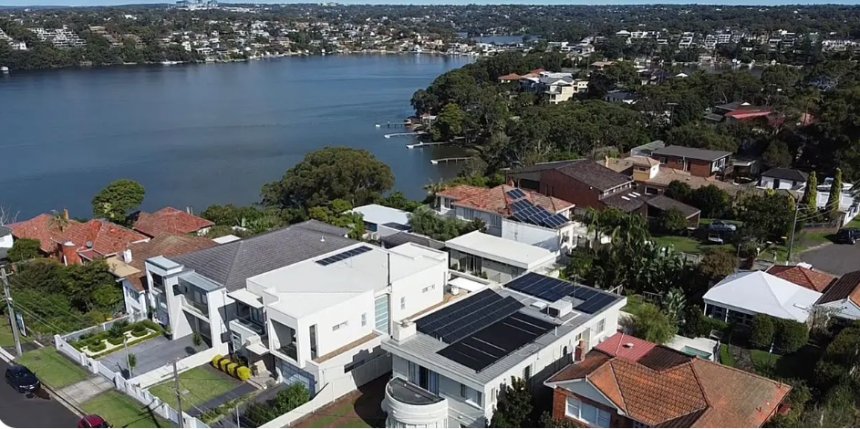
Sydney homes are awkward in their own special way. Federation terraces with skinny roof sections. Brick bungalows with big leafy gums nearby. Newer duplexes where the roof has more angles than a Year 10 geometry exam. Apartments, townhouses, steep blocks, coastal corrosion, heritage bits and pieces, possums treating gutters like a private highway. You get the picture.
So a good solar installer shouldn’t be guessing from space like they’re playing Google Maps bingo. They need to look at shade, orientation, roof pitch, switchboard condition, daily usage patterns and whether your household is actually home during the day. That last one matters more than people think.
A family running the washing machine, dishwasher and air-con during daylight hours may get more value from solar than someone whose house sits empty until 6 pm. Not always, but often. Add a battery and the maths changes again. Add an EV charger and it changes again again. Solar is like that. One decision nudges another.
I learnt this the annoying way when my own power bill jumped one summer and I blamed the air-con like it had personally betrayed me. Then I realised we were running the dryer during sunny afternoons, using the oven at peak times and leaving an old second fridge in the garage humming away like a tiny expensive tractor. Not exactly genius behaviour. Solar helps, yes, but habits still sneak into the equation wearing muddy boots.
That’s where a proper installer earns their keep.
They should ask questions. Slightly boring questions, actually. How many people live in the home? What time is everyone usually there? Do you work from home? Are you planning to buy an electric car? Is your hot water electric or gas? Do you want a battery now or later? What are your last few bills like?
If they don’t ask much and just shove a quote at you, be wary.
Cheap solar can be tempting. Of course it can. Everyone likes saving money, especially when groceries, petrol, insurance and mortgages have been acting like they’ve all joined the same villain club. But the cheapest quote is not always the cheapest outcome. A poorly designed system can underperform, look ugly, trip out, create roof issues or leave you chasing warranty support from a company that has vanished into the mist.
Very fun.
Not.
In Sydney, experience matters because conditions vary so much from suburb to suburb. Coastal homes around the Northern Beaches, Cronulla or the Eastern Suburbs may need extra thought around salt air and hardware durability. Leafy areas like the Hills, North Shore or parts of the Inner West can have shading issues from trees that look innocent until winter sun drops lower. Western Sydney homes can produce beautifully in summer, but heat management and good-quality components still matter.
Panels are only part of the story. The inverter matters. The mounting system matters. The wiring and workmanship matter a lot. Even the layout matters. A neat solar job should look like someone cared, not like a robot sneezed panels across the roof.
And then there’s the sales pitch.
Some companies make solar sound like it will erase your electricity bill forever and possibly make you a better person. I’d be suspicious of that. A more honest installer will talk about payback periods, feed-in tariffs, usage timing, system size and realistic savings. They’ll explain where solar makes sense and where it might not. That sort of honesty is less flashy, but far more useful.
Because not every house is a perfect solar candidate.
If your roof is heavily shaded, your usage is tiny or you plan to move soon, the numbers might not be as strong. If your switchboard needs upgrading, that cost has to be included. If you want a battery, the installer should explain whether it suits your household, not just whether it sounds impressive at a barbecue.
A battery can be brilliant for some families. It stores excess daytime energy for evening use, which is when many homes suddenly come alive. Dinner cooking, showers, homework, TV, gaming, kettle boiling for the third emotional support tea of the night. But batteries add cost, so they need to be sized properly. Bigger is not automatically better. Sometimes it’s just bigger.
The same goes for oversized solar systems. There’s nothing wrong with planning ahead, especially if an EV or growing family is on the horizon. But buying a huge system without understanding export limits, roof space and self-consumption can turn into a slightly expensive shrug.
Ask for the details.
A decent quote should show the system size, panel brand, inverter brand, estimated annual production, warranties, installation inclusions, any switchboard work and the assumptions behind the savings estimate. If the numbers look magical, ask why. If the salesperson gets twitchy, that tells you something.
Reviews help too, though you have to read them with your brain switched on. A handful of perfect one-line reviews can feel a bit too polished. Look for comments about communication, after-sales service, punctuality, workmanship and how problems were handled. Every business has the occasional hiccup. What matters is whether they fix it like adults.
One small thing I always notice: do they explain things without making you feel dumb? Solar has jargon. STCs, kilowatts, kilowatt-hours, feed-in tariffs, hybrid inverters, consumption monitoring. It can sound like someone tipped a toolbox into a spreadsheet. A good installer translates it into normal human language.
You want that.
You really do.
Because once the system is on your roof, you’re living with it for years. You want monitoring that makes sense. You want warranty support if something goes weird. You want confidence that the panels were installed safely, the roof was respected and the setup suits the way your household actually uses power.
For Sydney homeowners, solar can be a smart move. The city gets plenty of sun, electricity prices are not exactly shy and many families are looking for ways to make household costs less feral. But the installer decision is the hinge. Get that right and the whole process feels cleaner, calmer and more worthwhile.
Get it wrong and, well, you’ve bought yourself a roof problem with an app.
So take your time. Compare more than price. Ask awkward questions. Read the quote properly, even the dull bits. Think about today’s bills and tomorrow’s plans.
Solar should make life easier.
That’s the point, after all.
Share
What's Your Reaction?
 Like
0
Like
0
 Dislike
0
Dislike
0
 Love
0
Love
0
 Funny
0
Funny
0
 Angry
0
Angry
0
 Sad
0
Sad
0
 Wow
0
Wow
0