
NDIS & Aged Care Carpet Cleaning Standards Australia
This guide explains carpet cleaning hygiene standards for NDIS and aged care facilities in Australia. Learn about compliance requirements, cleaning frequency, and best practices for maintaining safe care environments.

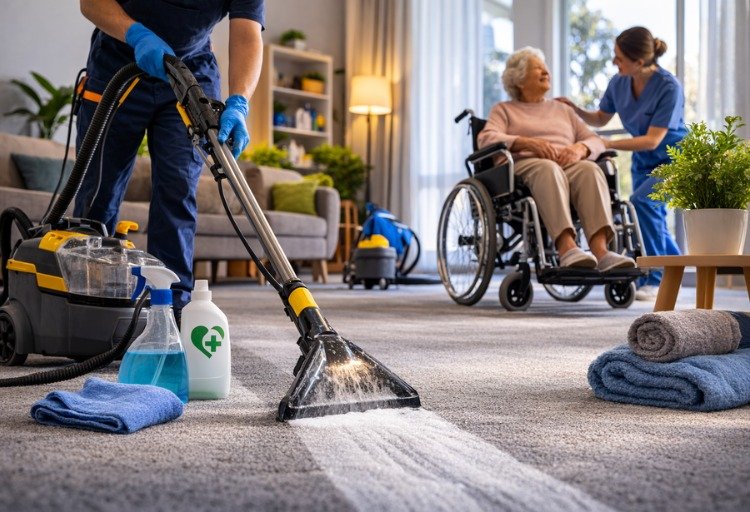
Maintaining clean, hygienic carpets in care environments is more than just presentation – it is about health, safety, and compliance. Across Australia, disability support providers and aged care facilities must meet strict hygiene expectations to protect vulnerable individuals.
If you’re searching for NDIS carpet cleaning services in Australia, understanding the relevant standards and best practices will help ensure your facility remains compliant, safe, and welcoming.
This guide explains the key hygiene requirements, cleaning frequency recommendations, and why Professional Cleaning Services in Australia are essential for care environments.
Why Carpet Hygiene Matters in Care Settings?
Carpets in aged care homes, disability support centres, and assisted living facilities experience:
- High foot traffic
- Increased risk of spills and contamination
- Exposure to bacteria, allergens, and pathogens
- Greater vulnerability among residents
Older adults and people with disabilities may have compromised immune systems, respiratory conditions, or mobility challenges. Poor carpet hygiene can contribute to:
- Allergic reactions
- Respiratory issues
- Cross-contamination
- Unpleasant odours
- Slip hazards from residue buildup
This is why carpet cleaning in Australia within care environments must go beyond basic vacuuming.
Understanding NDIS Hygiene Expectations
The National Disability Insurance Scheme (NDIS) requires registered providers to maintain safe and hygienic environments for participants.
While the NDIS does not publish carpet-specific rules, hygiene falls under broader quality and safeguarding standards. Providers must:
- Maintain clean and safe premises
- Minimise infection risks
- Follow documented cleaning procedures
- Ensure proper record-keeping
This makes professional carpet cleaning for disability support providers an important part of compliance strategies.
Routine professional carpet maintenance supports:
- Infection control protocols
- Workplace health and safety compliance
- Audit readiness
- Participant wellbeing
Aged Care Carpet Cleaning Hygiene Standards Australia
Under the Aged Care Quality and Safety Commission, residential aged care facilities must comply with infection prevention and control standards.
While carpets are not singled out in isolation, facilities must demonstrate:
- Effective environmental cleaning programs
- Proper management of contamination risks
- Regular documentation of cleaning schedules
- Immediate response to spills or biohazards
This makes adherence to aged care carpet cleaning hygiene standards in Australia critical for accreditation and ongoing compliance.
Facilities are expected to implement:
1. Scheduled Deep Cleaning
Professional hot water extraction or low-moisture methods at recommended intervals (often every 3–6 months depending on traffic).
2. Spot and Spill Response Protocols
Immediate treatment of bodily fluids, food spills, and medical contaminants.
3. Infection Control Integration
Use of hospital-grade, approved cleaning agents safe for vulnerable residents.
How Often Should Carpets Be Professionally Cleaned?
Cleaning frequency depends on:
- Number of residents or participants
- Mobility aid usage (wheelchairs, walkers)
- Presence of incontinence care
- Location (coastal humidity vs dry inland areas)
General recommendations for care facilities in Australia:
- Daily: HEPA-filter vacuuming
- Weekly: Targeted spot treatment
- Quarterly: Professional deep cleaning
- Immediately: After contamination incidents
Professional providers offering specialised cleaning services for NDIS and aged care facilities typically tailor schedules to meet both hygiene and audit requirements.
Choosing the Right Cleaning Method
Not all carpet cleaning methods are suitable for care environments.
Hot Water Extraction (Steam Cleaning)
- Deep sanitisation
- Effective allergen removal
- Suitable for high-traffic areas
Low-Moisture / Encapsulation Cleaning
- Faster drying times
- Reduced slip risk
- Ideal for facilities operating 24/7
Professional providers assess fibre type, traffic levels, and infection control requirements before recommending a method.
Chemical Safety and Resident Wellbeing
In aged care and disability support settings, chemical safety is crucial.
Professional cleaners should:
- Use low-toxicity, eco-friendly products
- Avoid strong residual fragrances
- Ensure proper ventilation
- Provide Safety Data Sheets (SDS)
- Follow Australian workplace safety regulations
High-quality professional cleaning providers in Australia understand the sensitivity required when working around elderly residents and NDIS participants.
Documentation & Compliance Requirements
Audit readiness is a major concern for facility managers.
Professional cleaning providers should supply:
- Service reports
- Before-and-after documentation
- Cleaning schedules
- Product details
- Incident response records
This documentation helps demonstrate compliance with infection control and environmental hygiene standards during assessments.
Benefits of Professional Carpet Cleaning for Care Providers
Improved Health Outcomes
Removes allergens, bacteria, and contaminants.
Extended Carpet Lifespan
Reduces premature replacement costs.
Better Indoor Air Quality
Supports respiratory health.
Compliance Assurance
Helps meet NDIS and aged care quality standards.
Enhanced Reputation
Clean facilities create trust with families and stakeholders.
Carpet Cleaning in Australia: Why Local Expertise Matters
Australia’s climate varies widely:
- Humid conditions in northern states increase mould risk
- Coastal salt air can impact carpet fibres
- Dry inland areas experience dust accumulation
A provider experienced in carpet cleaning in Australia understands these environmental factors and tailors cleaning techniques accordingly.
Local expertise ensures compliance with Australian regulations and awareness of region-specific challenges.
What to Look for in Professional Cleaning Services for Care Facilities?
When selecting a provider, consider:
- Experience working with NDIS or aged care facilities
- Knowledge of Australian compliance standards
- Use of hospital-grade, safe cleaning products
- Flexible scheduling to minimise disruption
- Insurance and police-checked technicians
- Transparent reporting and documentation
Choosing the right provider ensures your facility meets hygiene expectations without compromising resident comfort.
Final Thoughts
Clean carpets are not just about appearance – they are essential for infection control, compliance, and resident wellbeing in Australia’s care sector.
Whether you manage an aged care facility or deliver disability support services, investing in reliable NDIS carpet cleaning services Australia ensures a safer environment for those who need it most.
By partnering with experienced Professional Cleaning Services in Australia, care providers can maintain high hygiene standards, meet regulatory requirements, and deliver the safe, comfortable spaces that every Australian deserves.
Share
What's Your Reaction?
 Like
0
Like
0
 Dislike
0
Dislike
0
 Love
0
Love
0
 Funny
0
Funny
0
 Angry
0
Angry
0
 Sad
0
Sad
0
 Wow
0
Wow
0