How Groove Panel Design Impacts Interior Styling in Commercial and Residential Spaces
When you walk into a room, the walls are not the first thing you notice. But they quietly set the tone, and groove panel systems like easygroove random have started to influence that mood in strong ways.

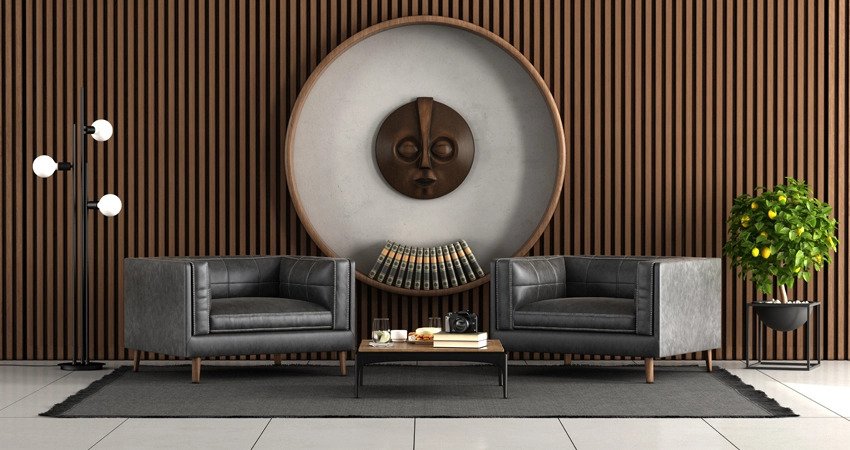
When you walk into a room, the walls are not the first thing you notice. But they quietly set the tone, and groove panel systems like easygroove random have started to influence that mood in strong ways. Designers are leaning on textured finishes in commercial spaces and modern homes. You must notice that how much these panels contribute to the overall character of a space.
This article highlights the growing relevance of groove panels, how different patterns work, and where they fit best in real-world interior projects.
- Why Textured Walls Feel More Relevant Than Before
There’s something about surface texture that adds presence to a room. Smooth, flat walls have their place, but designers now want finishes that offer subtle variation, the kind that feels intentional without distracting. As trend cycles shift, texture has become a reliable way to add depth without relying on bold colour or oversized décor.
You can see this change in how groove patterns appear in residential renovations and commercial fit-outs. They work as feature elements, even replacing traditional wall art or cladding.
- The Rise of Grooved Features in Modern Design
If you scroll through recent architectural projects, grooved surfaces are everywhere. Some designers say it’s because feature walls provide a cleaner alternative to applied decorations. Others point out that these panels help break up large vertical surfaces in high ceilings or open-plan areas.
As interiors shift toward warmer, more tactile aesthetics, multi-dimensional finishes are overtaking the once-popular ultra-flat look. The appeal lies in how these grooves catch light and build shadows, giving the space a calm but layered atmosphere.
- A Closer Look at Groove Variations
Some panels follow structured patterns like V-grooves or sharp shadowline cuts, while others, like random groove style, lean into a less predictable, more organic arrangement. There’s also the option of custom patterns when a project requires something specific.
Materials range from timber and composite boards to MDF-based solutions that are easier to shape. The spacing, depth, and alignment of each cut will influence the tone of the finished wall. Designers pay keen attention to these details because a slight difference of about few millimetres can change the entire look.
- Why Random Groove Panels Stand Out
The beauty of a random layout is that it doesn’t look overly planned, which makes it feel more deliberate. You get natural breaks and uneven spacing, creating a sense of movement that works well in minimalist and high-end interiors. Some homeowners prefer it because it makes a room feel lived-in; others appreciate the sophistication it brings without overwhelming the design.
- How Homes Use Grooved Walls Effectively
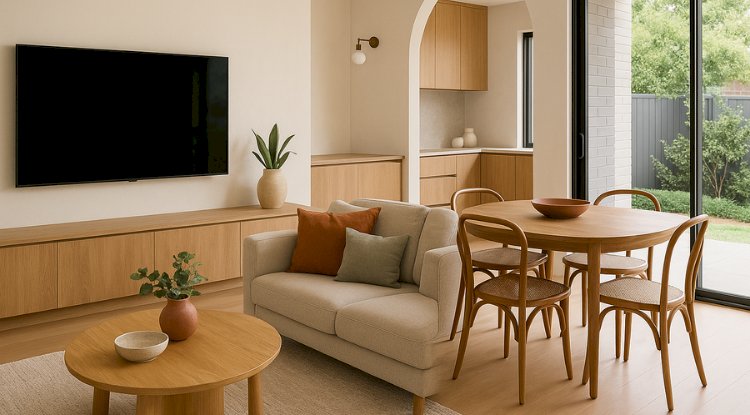
It’s easy to see why living rooms, bedrooms, hallways and entry points become the main areas for groove installations. A textured feature wall anchors a space when paired with soft daylight that highlights its depth. In homes with limited decorative elements, these panels act as artwork that is quiet but expressive.
- Commercial Environments and the Impact of Texture
In retail settings, cafés, boutique offices, and hospitality spaces, groove designs serve a different purpose. They help build a brand mood. A well-textured backdrop can influence how customers feel, even if they don’t consciously realise it. The right panel layout can make a space seem more polished, more intentional, or welcoming, depending on the pattern chosen.
- Practical Considerations: Installation and Longevity
The practicality of the groove panels is making them popular among designers, homeowners and architects. Many systems are lightweight, use concealed fixings, and install faster than custom carpentry. Maintenance tends to be straightforward with durable finishes or sealed surfaces that hold up against daily wear.
- Matching Grooved Panels With Other Materials
Timber paired with metal, matte paint, or concrete finishes creates a balanced look. Some designers prefer stains or laminates that accentuate the grooves. An added advantage is acoustic improvement; those indentations can help reduce sound reflection in busy rooms.
- Choosing a Reliable Manufacturer
Before committing, it helps to check the material grade, groove consistency, panel thickness, and what kind of support the supplier offers. A reliable manufacturer helps avoid frustration during panel installation with good quality control and ensures alignment stays accurate across panels.
- Final Thoughts
Groove panels became an effective design tool for creating a perfect vibe and setting an inviting atmosphere. If you are improving a home or refining a commercial space, easygroove random provides the perfect texture, flexibility and modular look without many decorative items. Designers and builders who embrace these newer panel styles find that they elevate aesthetics and efficiency in ways flat surfaces can’t match.
Share
What's Your Reaction?
 Like
0
Like
0
 Dislike
0
Dislike
0
 Love
0
Love
0
 Funny
0
Funny
0
 Angry
0
Angry
0
 Sad
0
Sad
0
 Wow
0
Wow
0