Backyard Offices in Australia: Why More Homeowners Are Choosing Outdoor Workspaces

Working from home is no longer temporary. For many Australians, it is permanent.
What began as a short-term adjustment reshaped daily life. Spare bedrooms became offices. Dining tables turned into desks. Living rooms doubled as meeting spaces.
At first, it felt convenient.
Over time, it became draining.
Background noise during calls. Constant interruptions. No clear separation between work and personal time. The laptop stayed open long after dinner.
Remote work isn’t the problem. Trying to work inside a space designed for living is.
That’s why more homeowners across Australia are stepping outside and building backyard offices.
These dedicated workspaces create separation without extending the house. They improve focus, reduce disruption, and restore balance to daily routines.
The Rise of Remote and Hybrid Work in Australia
Work patterns have shifted nationwide.
Hybrid schedules are now common. Many professionals work remotely several days a week. Some industries have fully embraced long-term remote setups.
But most Australian homes were never designed for this reality.
Common challenges include:
- Limited privacy for calls
- Shared family areas
- Visual clutter
- Noise distractions
- Difficulty switching off after hours
When your desk sits inside your living space, boundaries blur.
A backyard office restores structure.
What Is a Backyard Office?
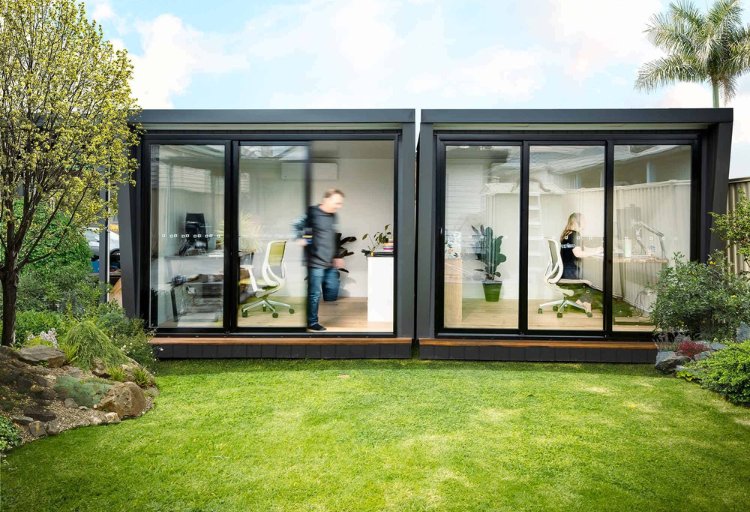
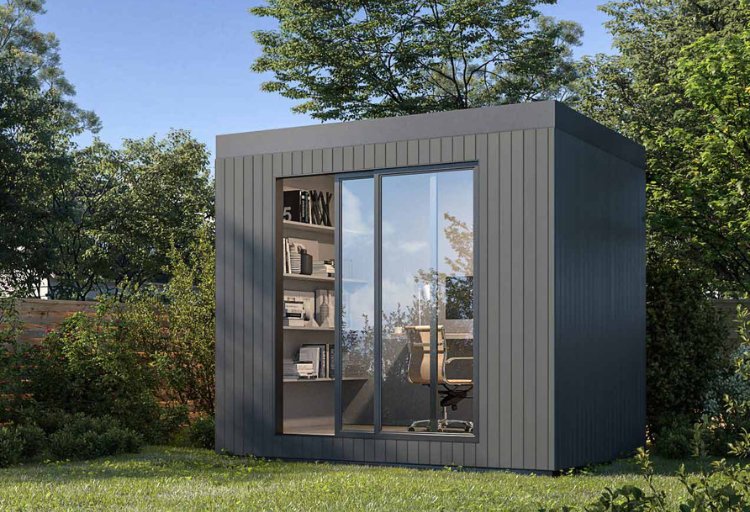
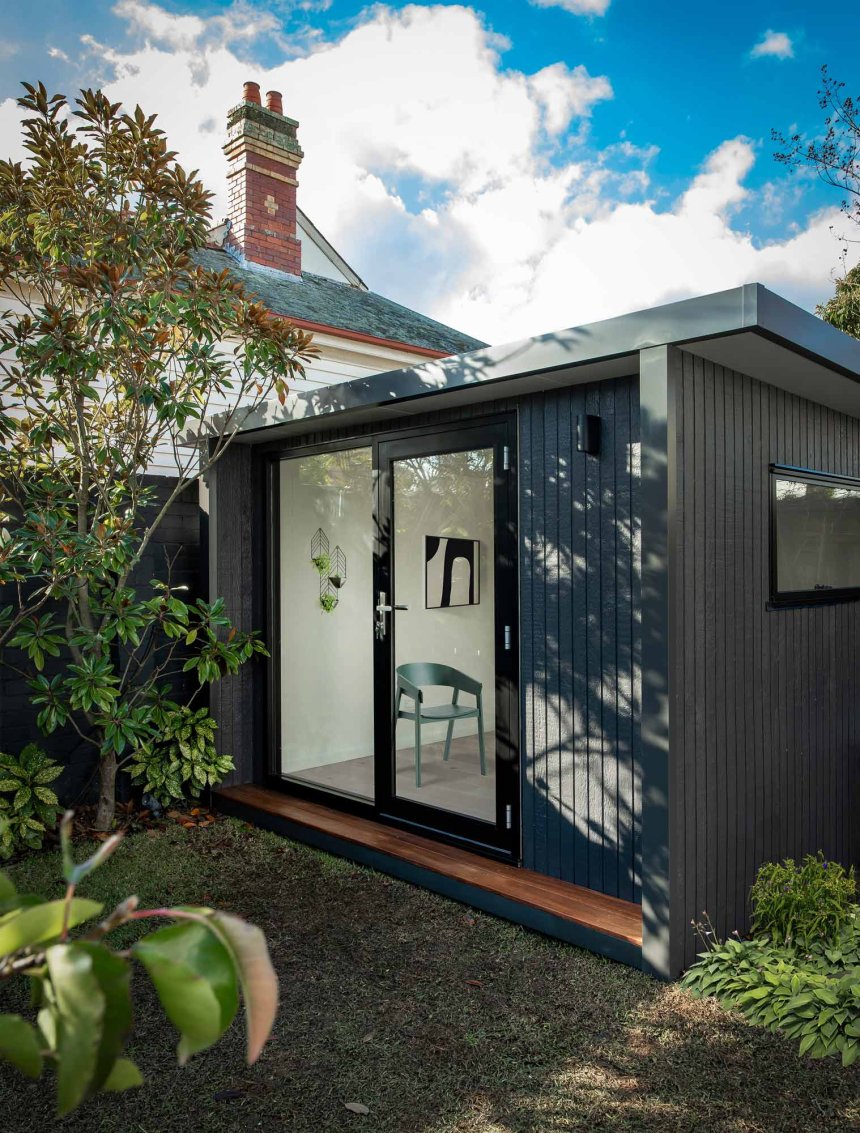
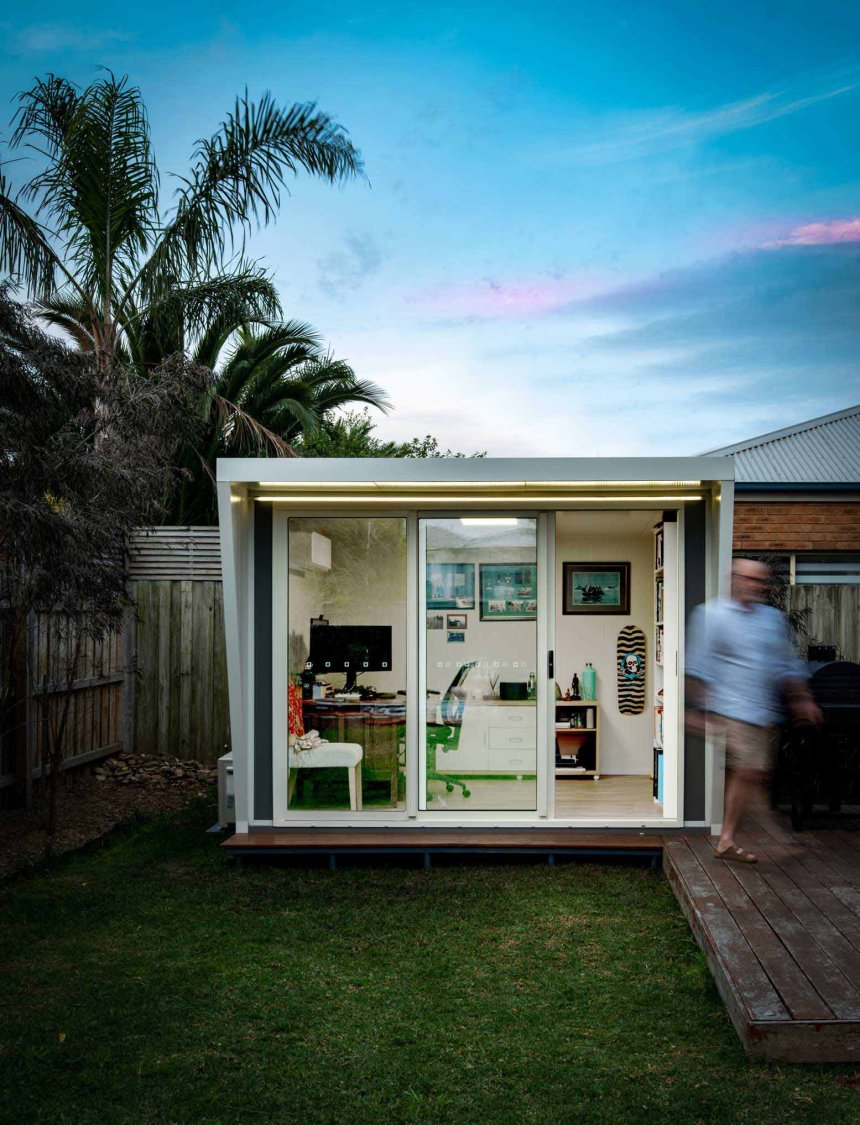
A backyard office is a standalone structure built in your garden or yard, designed specifically for focused work.
It is not a shed.
It is not temporary.
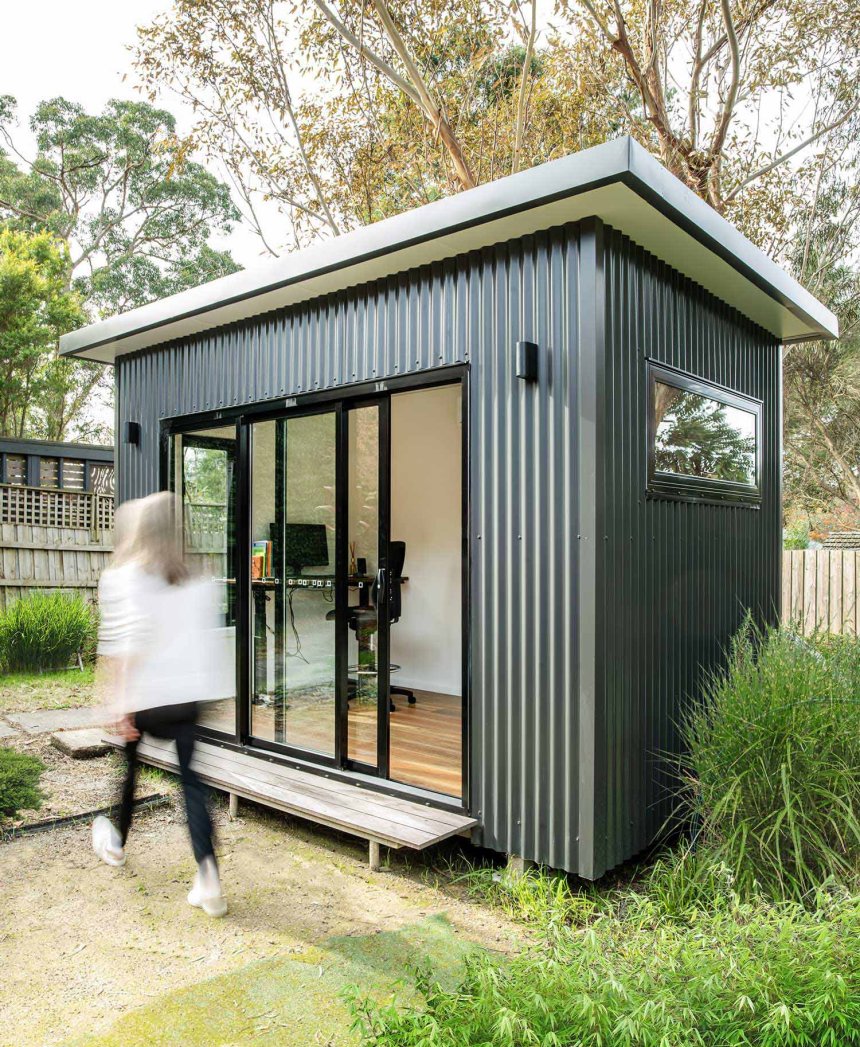
Modern backyard offices are insulated, powered, and connected to high-speed internet. They function as professional environments, simply separate from the main house.
They may take the form of:
- Compact garden studios
- Modular office pods
- Custom-designed outdoor rooms
- Multi-purpose detached structures
The difference is simple: you leave your house to go to work.
That short walk changes your mindset.
Why Australians Are Choosing Outdoor Workspaces
1. Defined Work–Life Separation
The shift is psychological as much as physical.
You close the back door, leave household noise behind, and step into quiet. By the time you reach your studio, you’re already in work mode.
At the end of the day, you shut the office door and return home properly without unfinished tasks lingering in the corner of the room.
Clear separation improves both productivity and personal time.
2. Stronger Focus
Inside the house, interruptions are constant.
In a backyard office, you control the environment.
You manage:
- Lighting
- Temperature
- Layout
- Sound levels
- Storage
With a purpose-built workspace, concentration improves naturally. Many homeowners finish earlier and feel less mentally scattered.
3. A Practical Alternative to Home Extensions
Traditional extensions involve:
- Structural modifications
- Long construction timelines
- Council approvals
- Higher costs
- Disruption to daily living
Backyard offices offer a contained solution.
Many modern garden studios are prefabricated or assembled efficiently on-site. Construction happens in the yard — not inside your home — allowing your routine to continue with minimal interruption.
4. Making Better Use of Outdoor Space
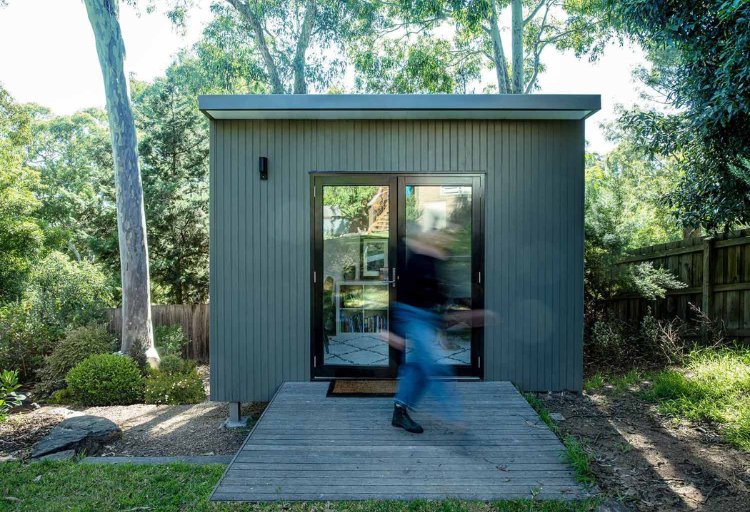
Australian backyards often include unused corners or open lawn areas that serve little purpose.
Transforming part of that space into a functional office increases usability.
It:
- Expands practical living area
- Enhances productivity
- Creates long-term flexibility
- Improves overall property appeal
Instead of expanding your house footprint, you maximise your land.
The Evolution of Backyard Office Design
Gone are the days of basic garden sheds converted into offices.
Modern backyard office pods in Australia prioritise:
- Full wall, roof, and floor insulation
- Double-glazed windows
- Energy efficiency
- Natural light
- Clean architectural lines
- Acoustic performance
These structures are designed intentionally — not adapted as an afterthought.
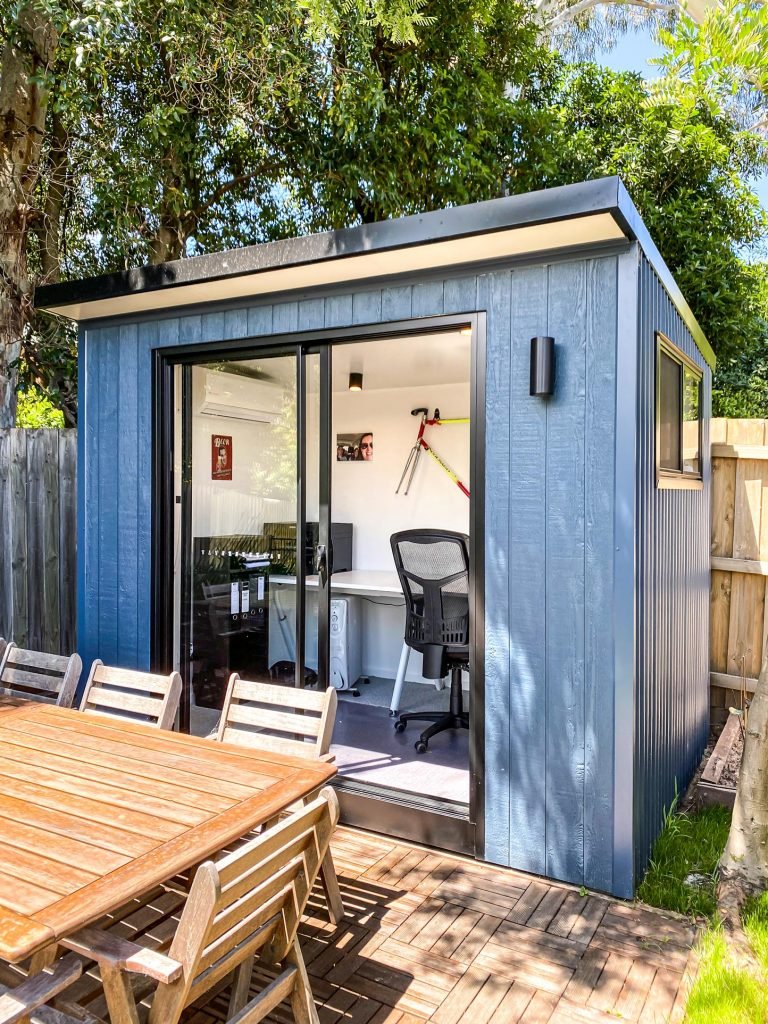
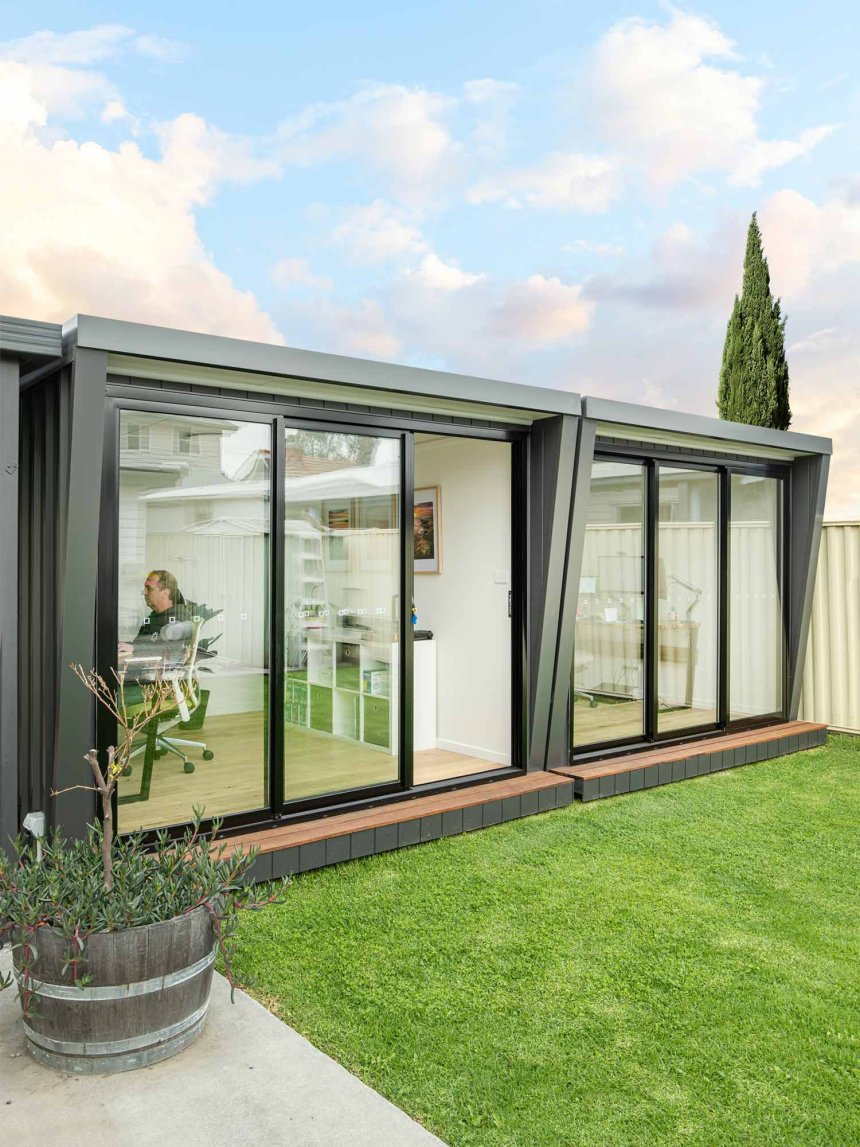
Large windows frame garden views. Minimal finishes create calm interiors. Neutral tones keep the space professional yet welcoming.
They are built to perform year-round.
Built for Australian Conditions
Australia’s climate demands quality construction.
Backyard offices must withstand:
- High summer temperatures
- Strong sun exposure
- Sudden storms
- Wind and rain
- Cooler winter mornings in southern states
Comfort depends on:
- Proper thermal insulation
- Effective ventilation
- Double glazing
- Strategic orientation
- Shading where required
Without these features, the space becomes uncomfortable. With them, it remains reliable throughout the year.
Planning and Compliance Considerations
Before building, review:
- Local council requirements
- Zoning regulations
- Boundary setback rules
- Height limits
- Electrical compliance standards
In some areas, smaller detached structures may not require full planning approval, depending on size and placement.
Confirming requirements early prevents delays and unexpected costs.
The Impact on Property Value
Today’s buyers increasingly look for adaptable homes.
A well-built backyard office signals flexibility.
Future owners may use the space as:
- A guest studio
- A teenage retreat
- A hobby room
- A gym
- A creative workspace
Even if remote work needs change, the structure remains valuable.
Versatility strengthens resale appeal.
Designing an Efficient Layout
A backyard office does not need to be large.
It needs to be efficient.
Smart design includes:
- Built-in storage
- Compact desks
- Adjustable task lighting
- Cable management
- Multi-functional furniture
Position workstations near natural light where possible. Views of greenery reduce visual fatigue and support mental clarity.
Keep the layout simple. Clutter reduces focus.
Technology and Connectivity
Reliable infrastructure is essential.
Plan for:
- Strong Wi-Fi coverage or ethernet connections
- Adequate power outlets
- Surge protection
- Heating and cooling systems
- Capacity for future upgrades
Technology should feel seamless — not improvised.
Sustainability Matters
Many Australian homeowners prioritise energy efficiency.
Backyard offices support sustainable living through:
- High-performance insulation
- LED lighting
- Solar compatibility
- Sustainable timber materials
- A reduced overall building footprint
Smaller detached structures typically consume less energy than expanding large internal areas.
The Wellbeing Factor
Working near natural surroundings has measurable benefits.
Natural light improves mood.
Garden views reduce stress.
Fresh air supports clearer thinking.
A dedicated workspace feels intentional. That intention influences daily wellbeing.
Choosing the Right Backyard Office Solution
Every property is different.
Before choosing a design, consider:
- Available yard space
- Intended daily use
- Long-term flexibility
- Insulation quality
- Construction durability
- Timeline expectations
Some homeowners prefer custom-built structures. Others choose modular, professionally designed pods.
Modern insulated backyard office pods such as those offered by Thinkpods are designed for Australian conditions, combining thermal performance, compact layouts, and contemporary design.
Prioritise build quality over short-term savings. A backyard office should last decades.
Landscaping Completes the Experience
The journey from house to office matters.
Consider adding:
- A defined garden path
- Native planting
- Privacy screening
- Outdoor lighting
- A small deck or entry platform
This transition reinforces separation while enhancing the overall aesthetic.
The office should feel integrated — not placed as an afterthought.
Common Mistakes to Avoid
Avoid:
- Underestimating insulation requirements
- Ignoring sun direction
- Overcrowding small interiors
- Skipping storage planning
- Neglecting council checks
Careful planning ensures the space feels calm, functional, and compliant.
Is a Backyard Office Right for You?
Ask yourself:
- Do you work from home consistently?
- Do distractions reduce productivity?
- Do you struggle to switch off?
- Do you have underused outdoor space?
If yes, a backyard office could transform your routine.
The Future of Australian Home Design
Homes are evolving.
They are no longer just places to live.
They are:
- Work environments
- Learning spaces
- Creative studios
- Wellness zones
Rather than undertaking disruptive renovations, many Australians now add purpose-built structures that support modern lifestyles.
It’s a flexible approach.
It respects existing architecture.
It responds to changing work patterns.
Conclusion
Backyard offices are not a passing trend.
They reflect how Australians live and work today.
They create focus without isolation and independence without major renovation. For homeowners seeking clarity and balance, stepping into the backyard may be the smartest move they make.
Share
What's Your Reaction?
 Like
0
Like
0
 Dislike
0
Dislike
0
 Love
0
Love
0
 Funny
0
Funny
0
 Angry
0
Angry
0
 Sad
0
Sad
0
 Wow
0
Wow
0